this document describes the oldest request on the internet: wen. it has been sent from every tab, every
group chat and every refresh key since dial-up. it has never once come back 200 OK.
two peak spirits keep the protocol running. one carries the question. the other carries the answer, in binary,
still being worked out. this page is where they live.
World Wide WenThe Wen Protocol[Page 1]
1. Introduction
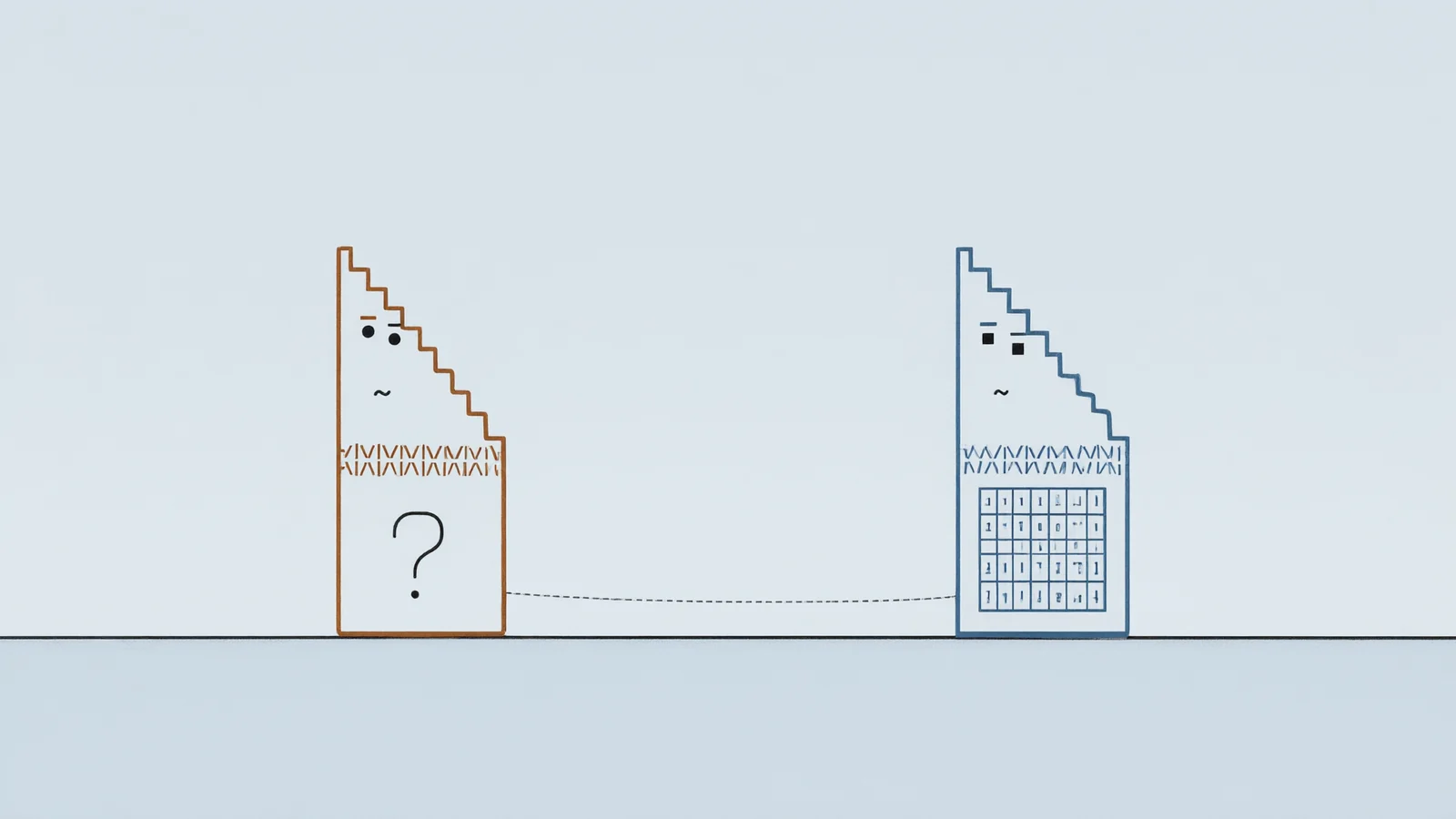
Figure 1: the hosts, mid-request.
somewhere between the first modem handshake and your last refresh, the internet settled on one question. not
what. not why. wen.
$WWW is that question with a ticker. no roadmap, no dates, no promises about what the page shows when it finally
loads. just two stubborn little mountains, a question mark, a wall of ones and zeros, and everyone who keeps
pressing F5 with them.
2. Terminology
The key words below are to be read as follows, in lowercase, with dial-up patience.
WEN
the request. MUST be sent with no further detail. senders SHOULD repeat it.
WWW
World Wide Wen. the network every wen travels across, and the ticker it trades under.
REFRESH
the act of asking again. there is no limit. there has never been a limit.
HOLD
what a host does between refreshes. still loading, still holding.
200 OK
reserved. no host has observed it.
World Wide WenThe Wen Protocol[Page 2]
3. The Two Hosts
3.1 Host ?
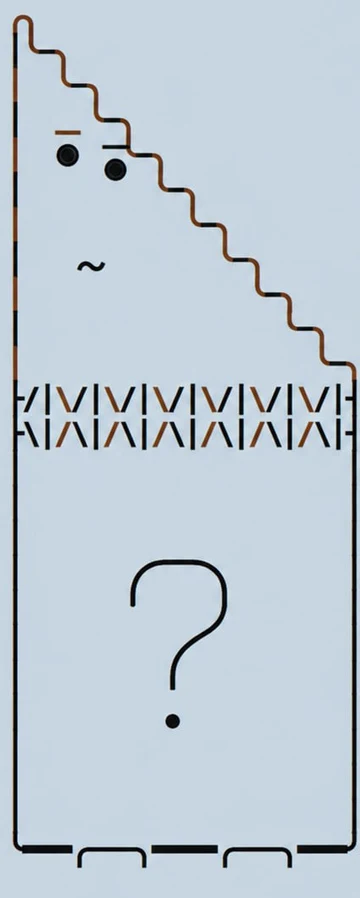
the asker. stepped slopes in rust, two dot eyes, one flat brow, a tilde where the patience goes. its body
holds a single question mark and nothing else, because nothing else has ever needed asking.
role ........ client
sends ....... WEN
expects ..... 200 OK
receives .... see 4.
3.2 Host 0101
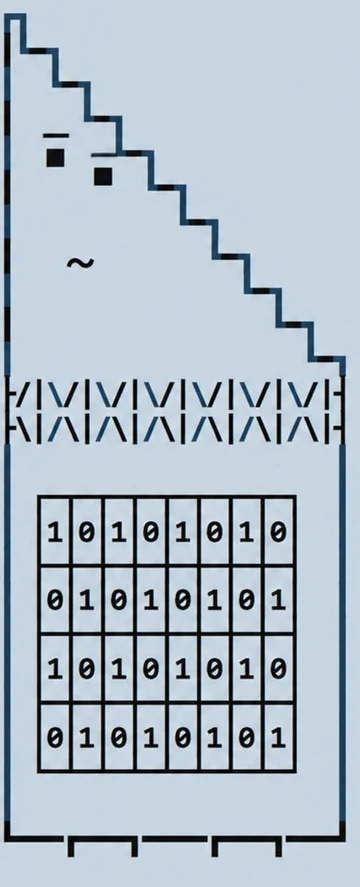
the answerer. same face, sharper steps, drawn in steel blue. its body is a grid of ones and zeros: the
answer to wen, written out in full, still being worked through bit by bit. it has never been rushed.
role ........ server
listens ..... always
replies ..... 102 Processing
eta ......... wen
4. Message Flow
A full session between the hosts, as observed on every network since the first one: